Filling the Quiet Months: Off-Season and Winter Bookings
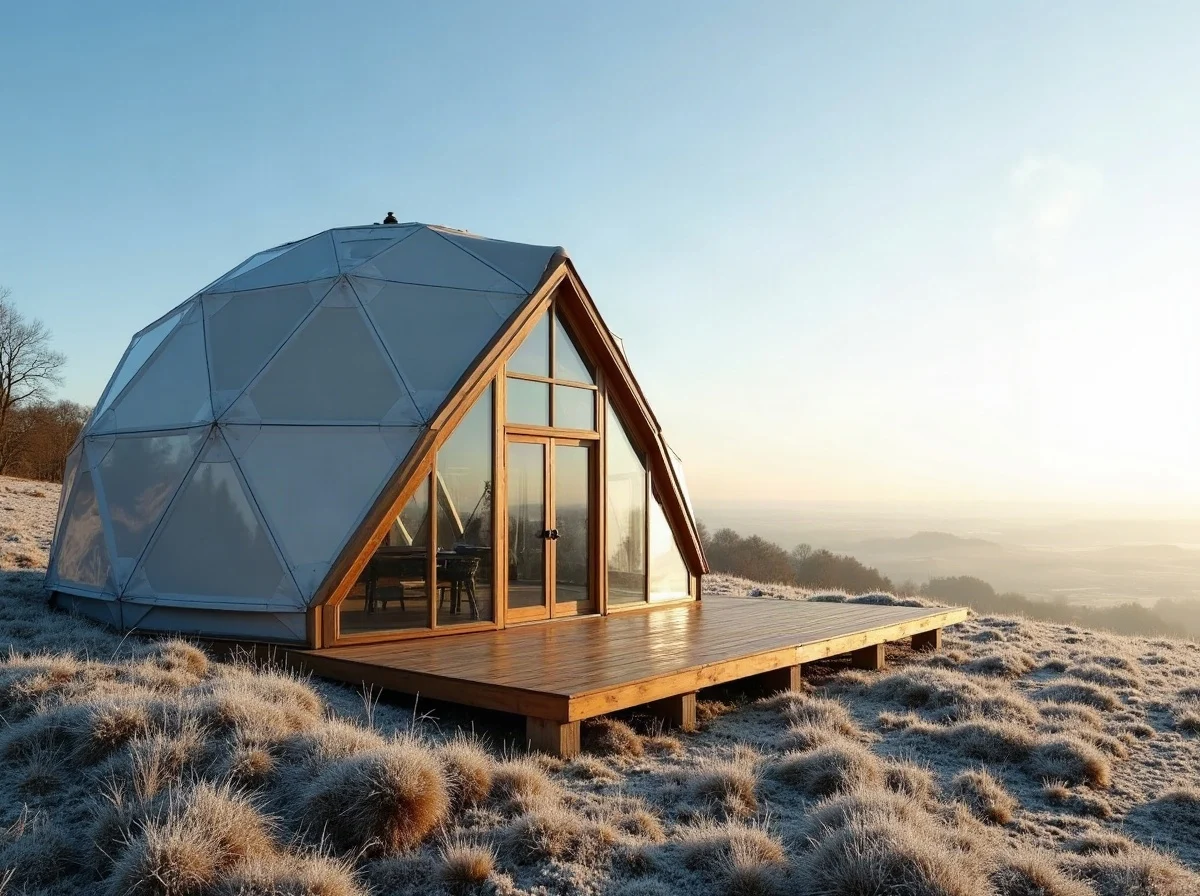
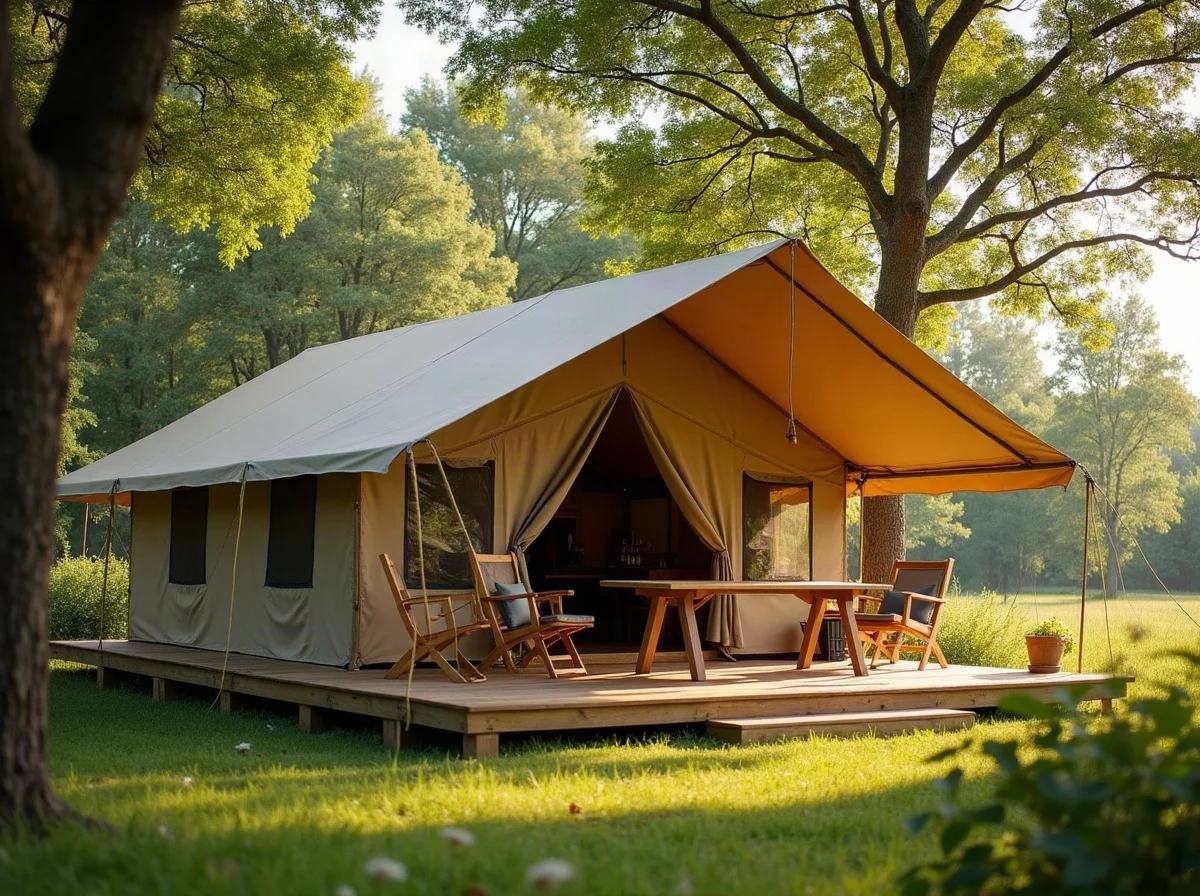
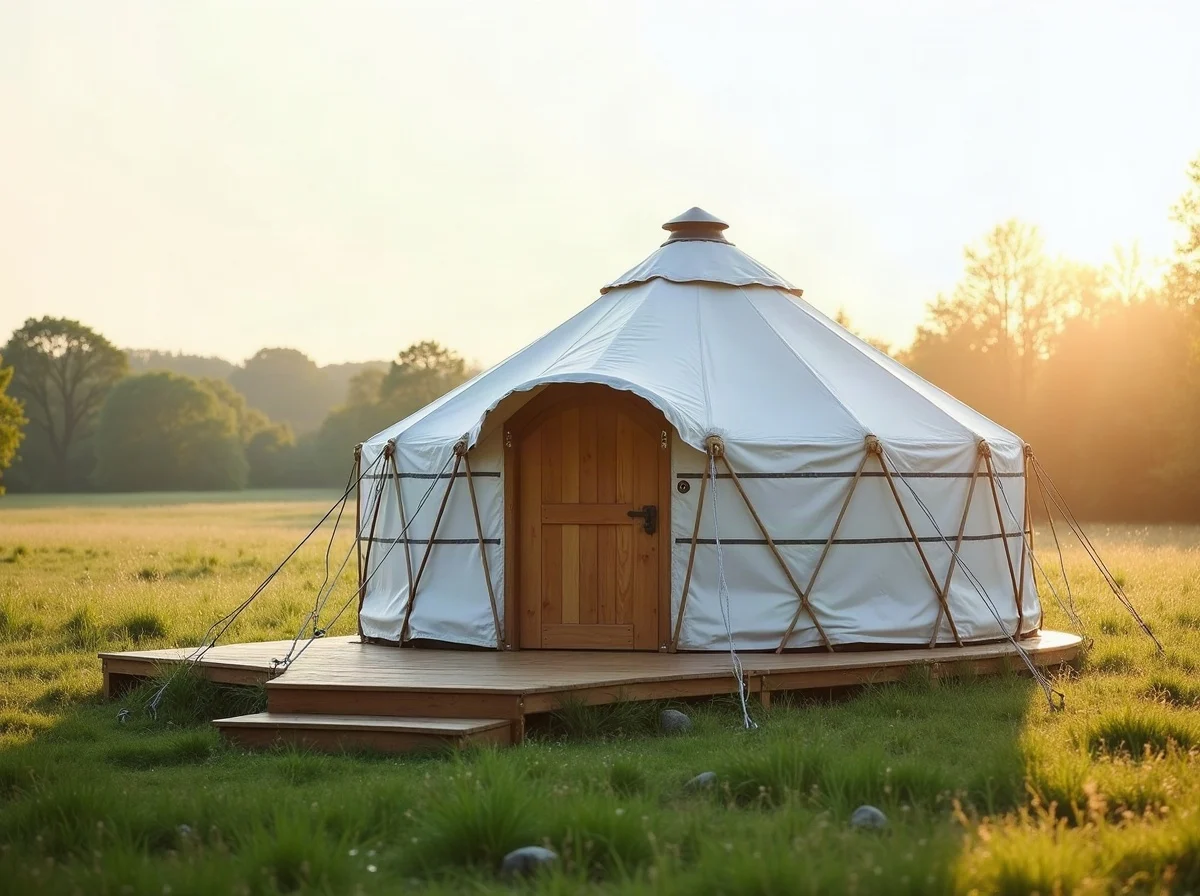
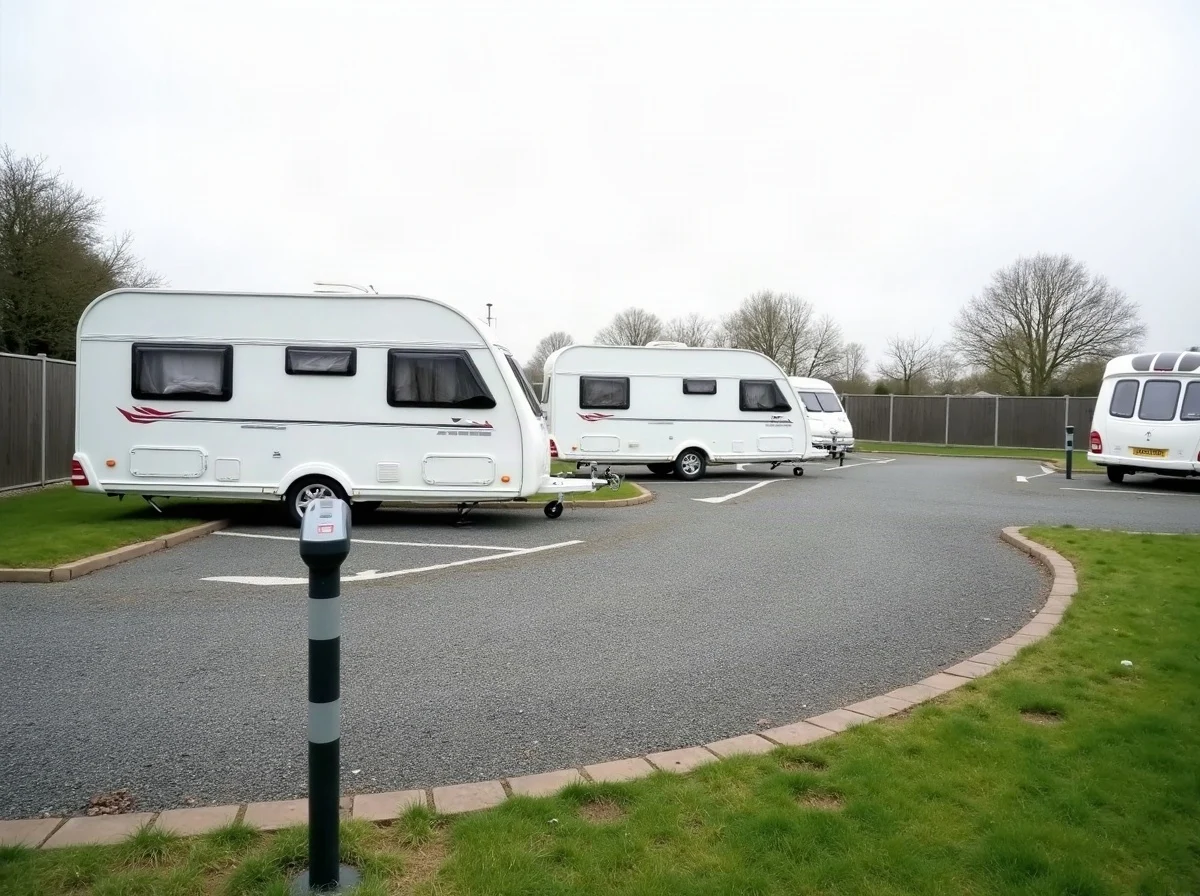
Most UK sites make their money between Easter and October and treat the rest of the year as dead. Some of that is unavoidable — if you are a tent-only field, winter is genuinely quiet. But plenty of sites with hardstandings, pods or lodges leave real money on the table simply by selling the off-season the same way they sell August.
Relax the rules that made sense in July
A three-night minimum protects a bank holiday. In November it just turns away the couple who wanted two nights. Off-season should have its own rules: shorter minimums, no fixed changeover days, and midweek breaks that would never fit in peak season.
The same applies to arrival days. Peak season runs on Friday and Saturday changeovers; in February the guest who can only come on a Tuesday is the guest you want.
Price it as a different product
Off-season is not discounted summer, it is a different stay. Guests are coming for dark skies, empty hills, a wood burner and a hot tub in the cold — and they will pay properly for that if the pricing looks deliberate rather than desperate. Set genuine shoulder and winter rates in advance and let the system apply them, instead of improvising a discount every time someone rings.
Sell what only works in winter
Anything heated sells harder in the cold, not less. Hot tubs, log burners, firewood bundles and breakfast hampers are all easier to sell in January than in July. Lead with them. A pod with a hot tub and a basket of logs is a winter product; the same pod described as a summer pitch is not.
Use the list you already have
Your best off-season customers are people who already stayed with you and liked it. They know the site, they need no persuading about quality, and reaching them costs nothing. A short email in November offering midweek winter breaks to last summer’s guests routinely outperforms paid advertising — provided those guests booked with you directly and their details are yours.
Mind the practicalities
Be straight in the listing about what is open. If the shower block is closed, some pitches are off, or the track gets muddy, say so. Winter guests are forgiving of a closed facility they were told about and unforgiving of one they discover. Getting that right is the difference between a good winter review and a bad one.
Keep the calendar open
The simplest off-season mistake is closing the booking calendar entirely. Even if you only take a handful of winter bookings, an open calendar catches them — and it catches the January bookers planning next summer at the same time.
Our glamping booking system lets you set separate off-season rates, minimum stays and extras so the quiet months sell on their own terms.
Frequently asked questions
How do I get bookings in the off-season?
Relax the minimum stays and changeover days that protect peak weekends, set deliberate off-season rates rather than improvised discounts, lead with heated extras like hot tubs and log burners, and email the guests who already stayed with you.
Should I discount heavily in winter?
No. Treat it as a different product rather than cheap summer. Guests come for quiet, dark skies and a hot tub in the cold, and deliberate shoulder and winter pricing performs better than obvious desperation.
Which extras sell best in the colder months?
Anything heated. Hot tub heating, firewood bundles, log burners and breakfast hampers all sell harder in January than in July, so they should lead the off-season listing.
Should I close my booking calendar over winter?
No. Even if winter trade is light, an open calendar catches the bookings that do come and, more importantly, the January and February bookers planning next summer.