Running a Mixed Site: Touring, Statics and Glamping in One Diary
Very few parks sell only one thing any more. A typical site now has touring pitches sold by the night, a handful of statics or lodges let by the week, and two or three glamping units that behave like neither. Each has its own pricing, its own rules and its own kind of guest — and most sites end up running each one in a different place.
Why three systems becomes three problems
The nightly trade goes in the booking system because that is what the website sells. The holiday homes go in a spreadsheet because the software could not handle weekly lets properly. The glamping pods go wherever there was room. Then someone has to reconcile all three every morning to answer the question that actually matters: what is free tonight?
It also makes the numbers meaningless. If touring revenue is in one place and lettings revenue in another, nobody can tell you what the park earned last week without half an hour of adding up.
What each type actually needs
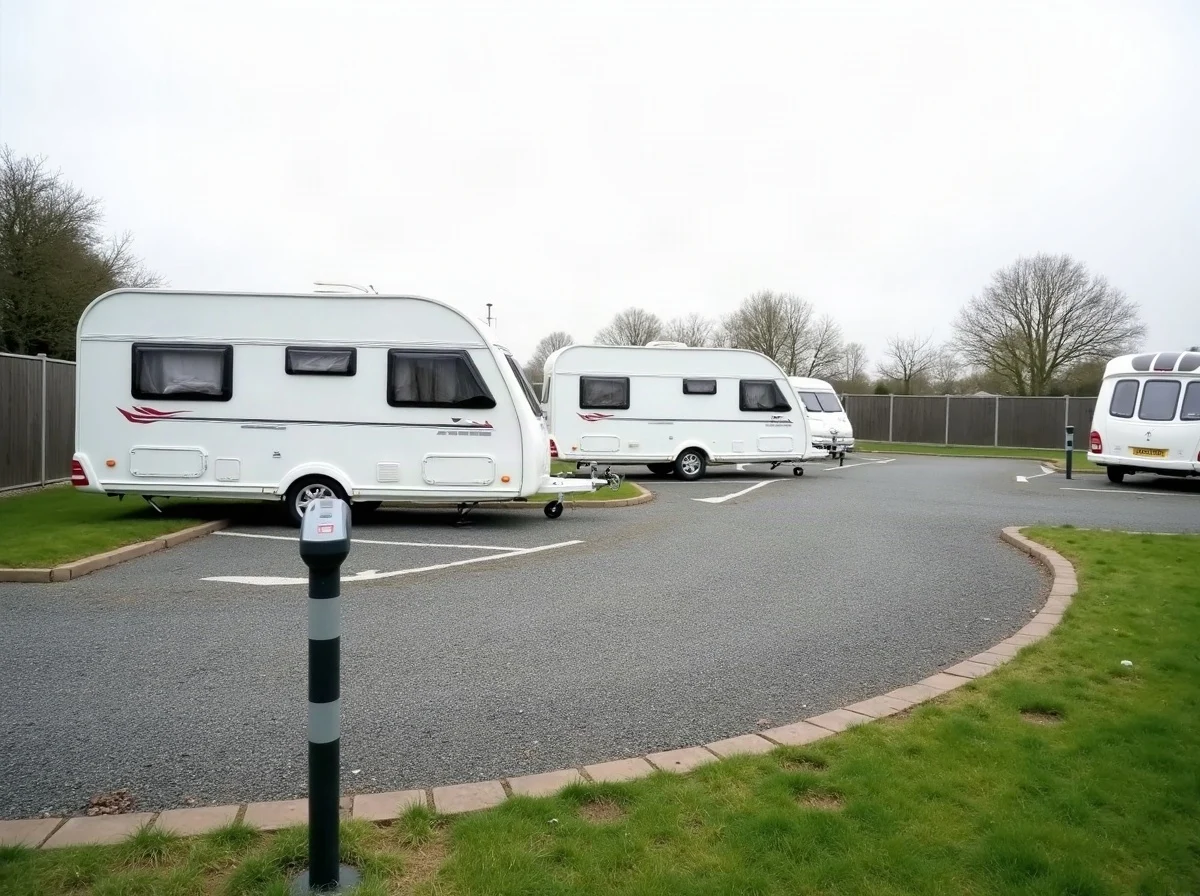
Touring and hardstanding pitches are sold by the night, often at short notice, with extras like hook-up, awnings and extra cars. Availability changes constantly and pricing moves with the season.
Statics and lodges are let by name, by the week in peak and as short breaks out of season, with fixed changeover days and a deposit followed by a balance. Guests choose a specific unit because they have seen its photographs.
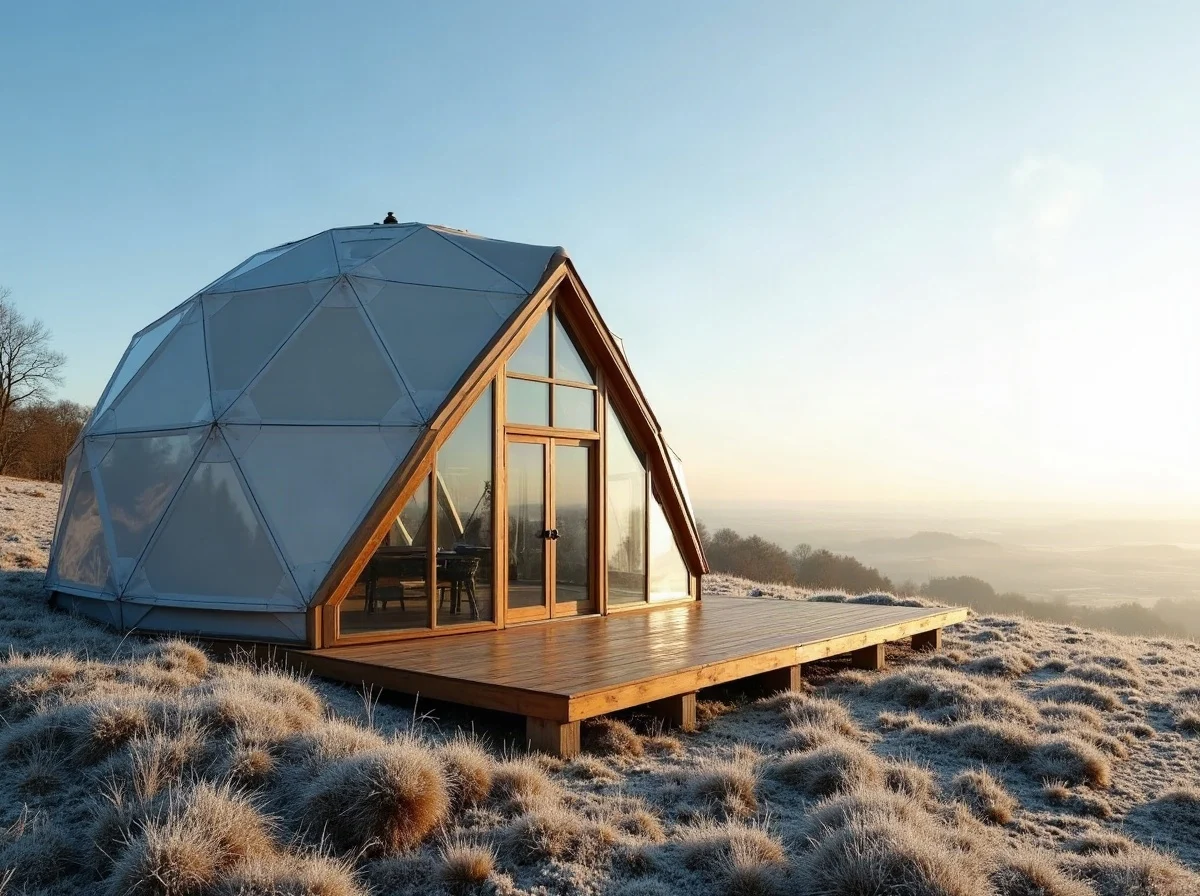
Glamping units sit in between. They are booked by name like a lodge, but often for two or three nights like a pitch, with their own turnaround time and their own extras.
One diary, different rules
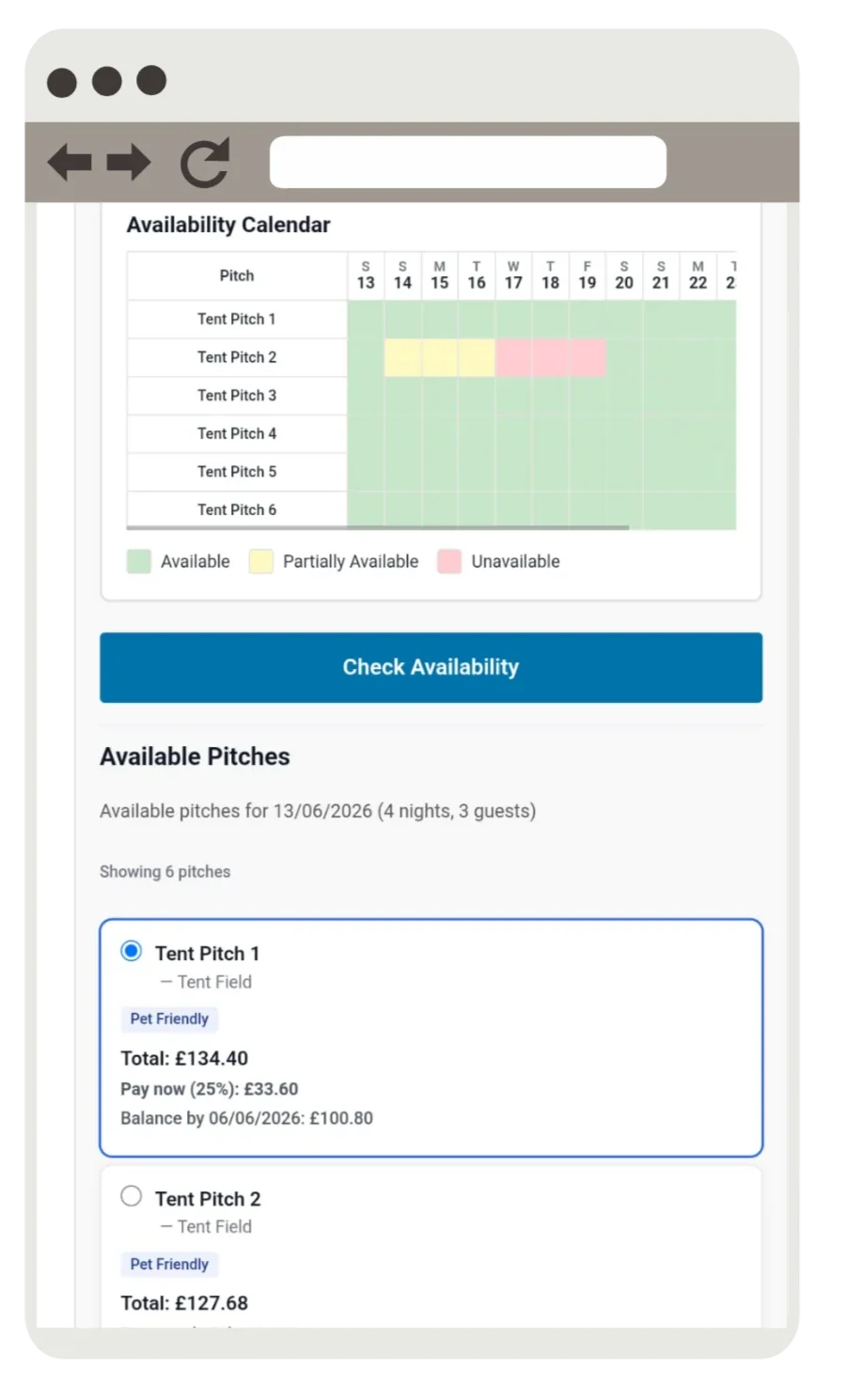
The answer is not to force all three to behave the same way. It is to hold them in one diary while letting each carry its own pricing, minimum stays, changeover days and extras. A guest searching for a weekend in July sees a touring pitch priced per night and a lodge priced per week, both accurate, both live, both bookable.
That single view is what makes the morning question answerable in one glance, and what lets your warden work from one arrivals list instead of three.
Reporting is where it pays off
Once everything is in one place you can finally see which part of the park earns its keep. Plenty of owners discover that two glamping pods out-earn a dozen tent pitches, or that the seasonal field is quietly subsidising everything else. You cannot make that call from three spreadsheets.
Our campsite management software holds nightly, weekly and seasonal stock in one diary, with reporting across all of it.
Frequently asked questions
Can one booking system handle touring pitches and holiday homes?
Yes, provided each type can carry its own rules. Touring is sold by the night with extras, holiday homes by the week with changeover days and deposits, and both should sit in the same diary rather than in separate systems.
How are glamping units different from pitches?
They are booked by name like a holiday home, with their own photographs and description, but often for two or three nights like a pitch. They also need a turnaround window for cleaning and resetting a hot tub.
Why does running three separate systems cause problems?
Because nobody can answer what is free tonight without reconciling all three, and the revenue figures are split across places that do not add up together without manual work.
Can I see which part of the park earns most?
Only if everything is in one system. With touring, lettings and glamping in a single diary, occupancy and revenue reporting covers the whole park rather than one slice of it.